
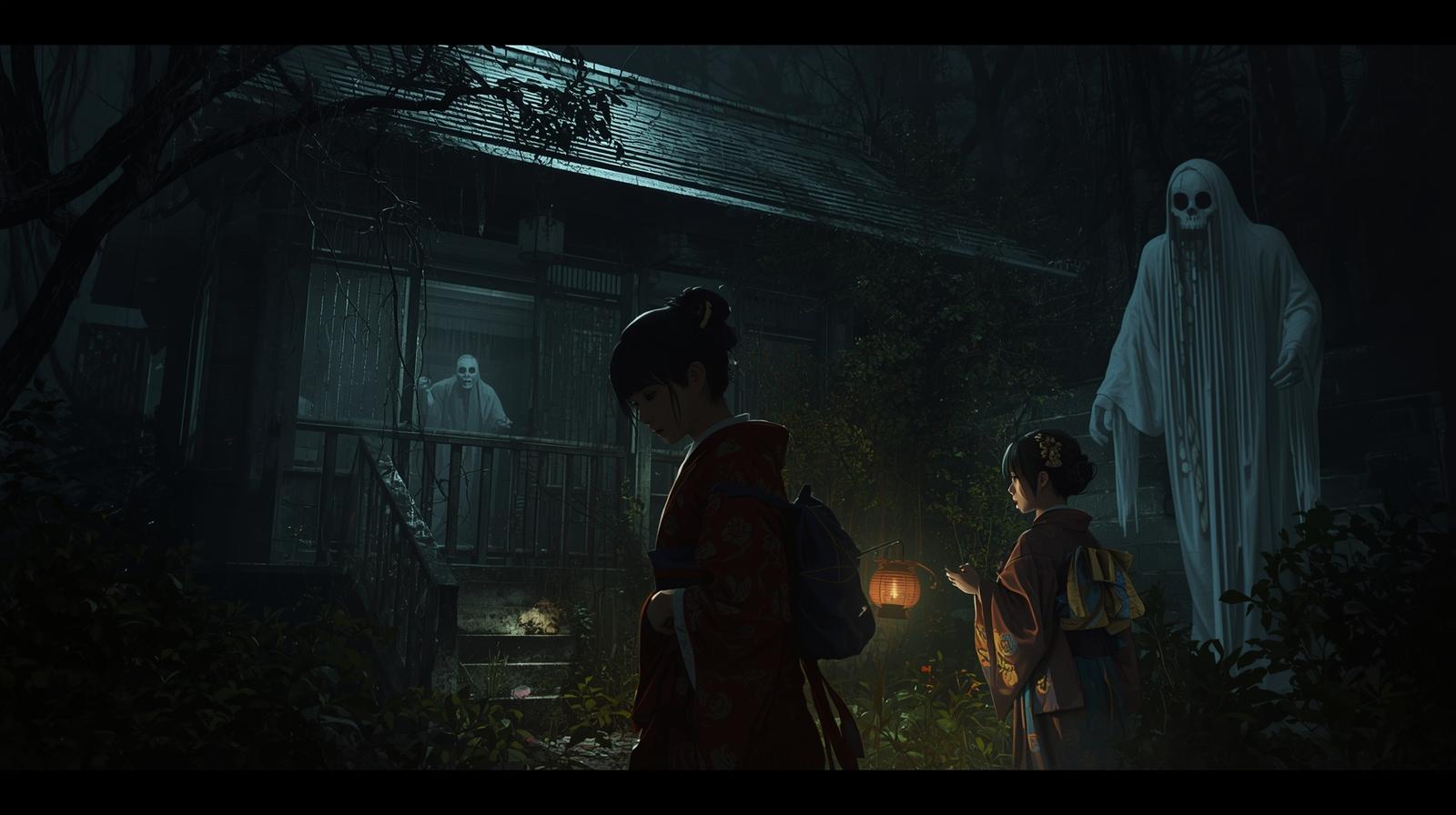
Among the most respected names in survival horror, Fatal Frame II: Crimson Butterfly stands as a defining experience that continues to influence the genre. As renewed interest surrounds this legendary title, its place in the upcoming games category highlights a growing demand for atmospheric, story-driven horror. Fatal Frame II is not just remembered as a sequel, but as one of the most emotionally haunting games ever created.
For modern players seeking deep immersion rather than fast-paced action, Fatal Frame II represents a return to fear built on silence, symbolism, and psychological tension. Its timeless design and unsettling narrative make it highly relevant for today’s gaming audience.
A Tragic Story Rooted in Loss and Memory
Fatal Frame II centers on twin sisters, Mio and Mayu Amakura, who become trapped in the abandoned Minakami Village. Once a peaceful settlement, the village is cursed by ancient rituals meant to preserve balance between the living and the dead. As the sisters explore the empty streets and decaying houses, the story slowly reveals a past filled with sacrifice, sorrow, and irreversible choices.
What sets Fatal Frame II apart is its emotional focus. The bond between the twins is central to the experience, creating a constant sense of responsibility and fear of loss. This emotional connection elevates the horror, making every encounter feel personal rather than procedural.
The narrative unfolds through environmental storytelling, ghostly memories, and fragmented documents. Instead of relying on exposition, the game allows players to piece together the tragedy at their own pace, deepening the sense of dread and curiosity.
Gameplay That Forces You to Face Fear
At the heart of Fatal Frame II lies the Camera Obscura, a mystical camera used to combat hostile spirits. Unlike traditional weapons, the camera requires players to confront ghosts directly, often at dangerously close range. The closer the spirit, the more powerful the photograph, creating an intense risk-reward system that fuels anxiety.
This mechanic transforms every encounter into a psychological challenge. Players must remain calm, wait for the perfect moment, and resist the instinct to run away. The result is a level of tension rarely matched in horror gaming.
In Fatal Frame II, exploration and combat are inseparable. The slow pacing, limited resources, and unpredictable ghost behavior ensure that fear remains constant from beginning to end.
Atmosphere That Defines Survival Horror
The atmosphere of Minakami Village is one of Fatal Frame II’s greatest achievements. Fog-filled paths, flickering lanterns, and traditional Japanese architecture create a hauntingly beautiful environment. The emptiness of the village amplifies the feeling of isolation, while subtle visual cues suggest unseen forces watching every movement.
Sound design plays a crucial role in sustaining fear. Distant whispers, echoing footsteps, and sudden silences work together to keep players on edge. Rather than overwhelming the player with music, the game uses restraint, allowing tension to build naturally.
Even by modern standards, the atmosphere remains powerful, proving that strong artistic direction can outlast technical limitations.
Why Fatal Frame II Belongs in the Upcoming Games Category
The renewed focus on Fatal Frame II reflects a broader trend in gaming where players are rediscovering classic horror experiences. As the industry shifts toward deeper narratives and emotional engagement, Fatal Frame II fits perfectly within the upcoming games spotlight.
For USA-based gamers, especially fans of psychological horror, this title offers a meaningful alternative to action-oriented horror games. Its emphasis on story, mood, and character relationships appeals to players who value immersion and emotional depth.
Fatal Frame II also resonates with a new generation of players who appreciate horror that lingers long after the screen fades to black.
A Lasting Legacy in Horror Gaming
Fatal Frame II is often regarded as one of the greatest horror games ever made, and its influence can still be seen today. Many modern titles borrow its slow pacing, environmental storytelling, and focus on vulnerability. The game demonstrated that true fear comes from anticipation and emotional investment rather than constant threats.
Its use of folklore and ritualistic themes introduced Western audiences to a different style of horror, one rooted in cultural tragedy rather than spectacle. This approach gave the game a unique identity that continues to stand out in a crowded genre.